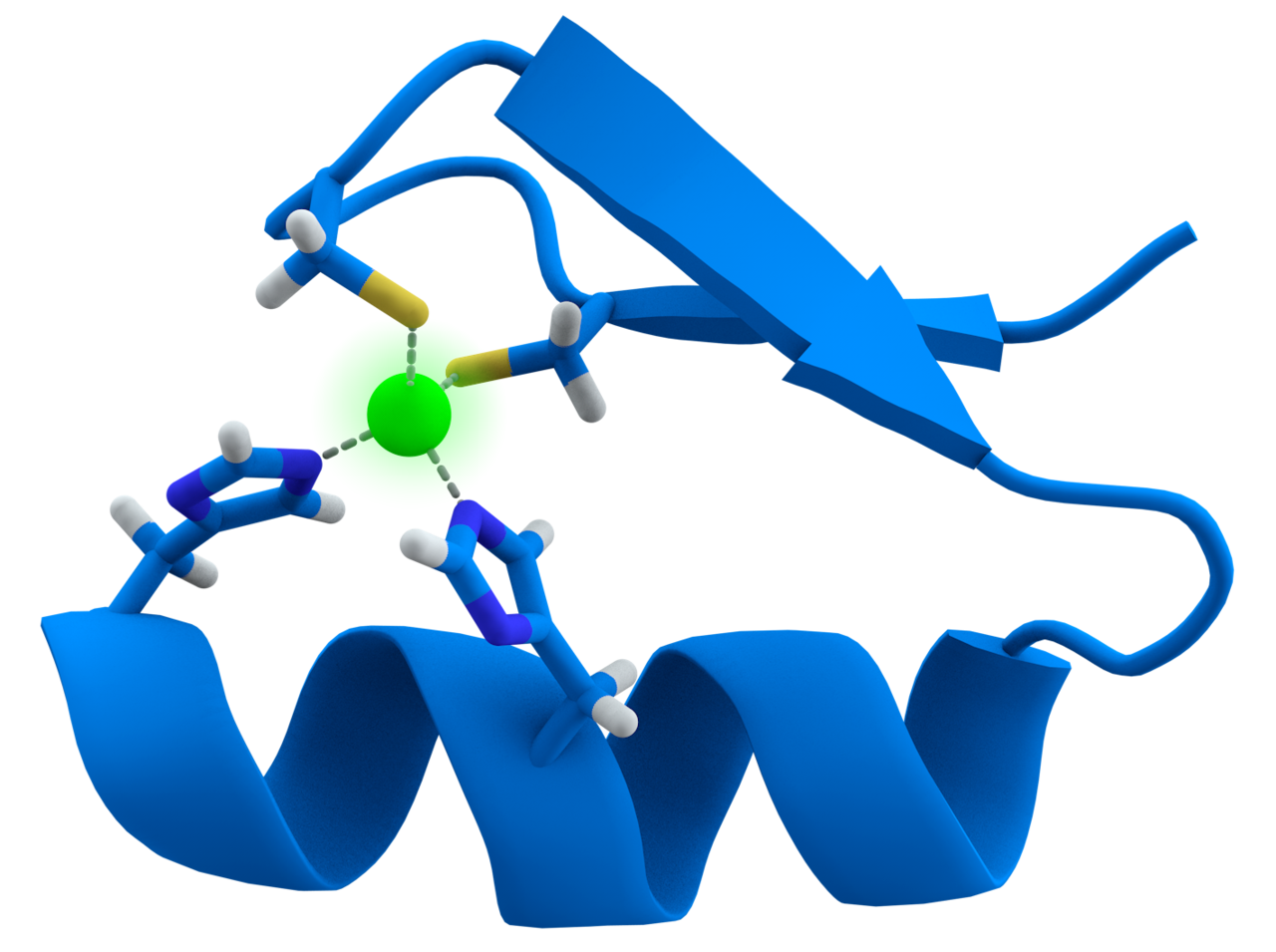
At the time of writing, using a zinc finger (C2H2-ZF) to edit DNA sequences sounds ridiculous. There are much easier tools for the job, e.g., CRISPR-Cas9.
As the name suggests, C2H2-ZF proteins use their "fingers" to interact with DNA. We now have fairly standard techniques for building these fingers, so the fingers are essentially our lego bricks. The bottleneck is that we don't have a clear picture of how a C2H2-ZF's finger composition affects its DNA binding sites.
And exhaustively testing every finger composition against its binding sites isn't an option, since protein engineering is expensive.
From a computer science perspective, the scenario above is the task of characterizing the following map
where the map is called the recognition code in biology. The recognition code is very much a machine-learning problem. Several established tools exist, such as the Interactive PWM predictor and RCADE, which seek to characterize the recognition code. Both tools characterize the binding sites as position weight matrices (PWM).
A PWM is compact and easy to interpret, but it assumes each position contributes independently to the binding specificity, which may be too restrictive.
C2H2 zinc fingers are smaller than other genome editing tools, which makes them easier to deliver into the cell via viral vectors.
Update (4/7/2023):
An article came out on the zinc-finger recognition code. I haven't looked into it in detail; if you are interested, see A universal deep-learning model for zinc finger design enables transcription factor reprogramming.